I’m working on two books at the moment—mostly just for an hour or so each week, but the hours add up nicely!
Existential Exercise
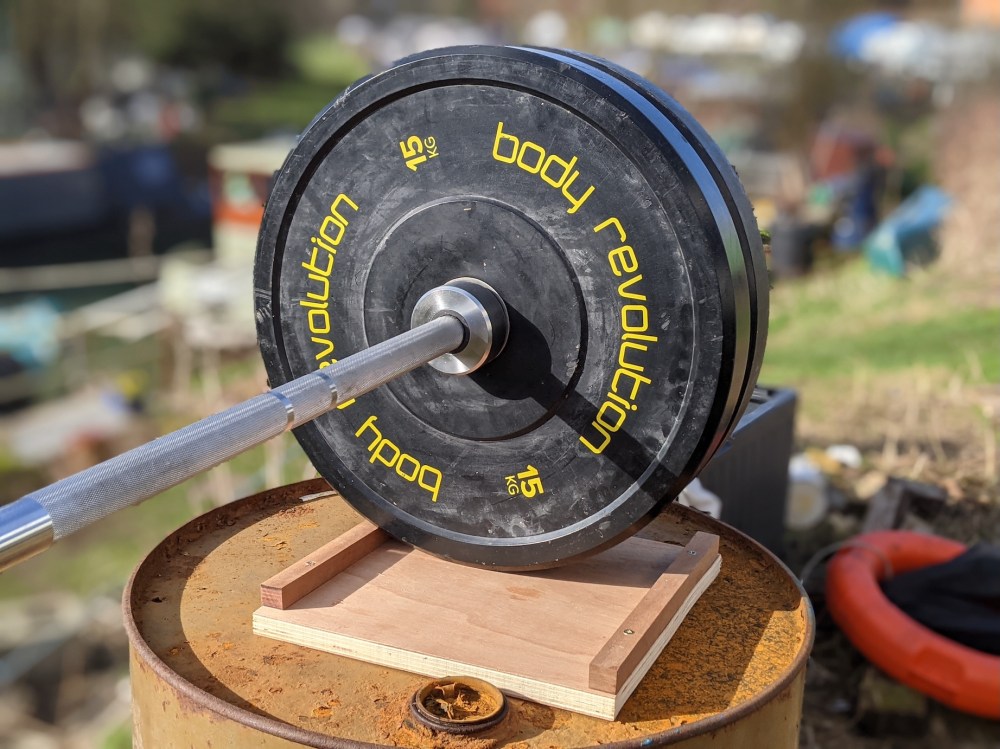
It’s taken me a long time to find the right form and tone for this one. Having initially thought I might co-write something with a serious powerlifter, it’s now become a solo project, and I have a strong but hazy mental image of the form I want it to have, or it wants to have: something small, simple, and thought- and action-provoking.
One of the book’s propelling forces is an idea sparked by conversation on a walk with a dear friend: that when it comes to the forms of physical activity that we choose (or that choose us) as we move through life, there are four options open to us: (1) try to keep doing what worked in the previous life phase; (2) do whatever you infer that someone of your age group, gender, socioeconomic status is “meant” to do; (3) create a way of doing things that gives you what you truly want in this chapter; or (4) give up and do nothing much (and not feel good about it).
I think a great deal of personal creativity and pleasure can flow from the recognition that it is within our power to design ways of moving (and being still) that match what our mind-bodies need and want in each personally defined life chapter. And writing this book—whose current shape is inspired by a hot-tub chat with my mother about the pros and cons of “pushing yourself”—is proving an interesting lens through which to notice all sorts of things I get up to in my everyday life, and the reasons and the effects that swirl around them.
It was late May 2025 when my powerlifting colleague and I began thinking of this thing as a book in want of writing. The working title has crystallized only much more recently—taking a word I hate, “exercise”, and doing something interesting with it. I wonder when the book as a whole will feel like it’s become what I fuzzily intuited that I wanted it to!
How To Live Without God and Children
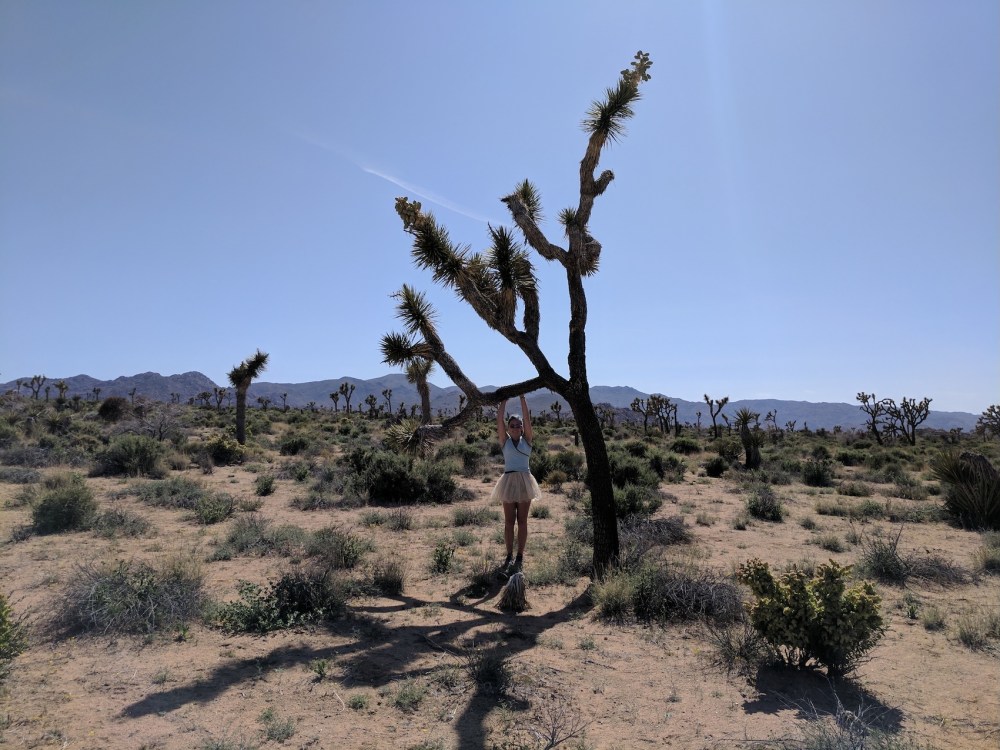
With the second one, the title came to me, in a strange altered state one morning in California, long before I had any idea how I might write it. How To Live Without God and Children felt like it had to be the title for a serious work of nonfiction that I wouldn’t be ready to write for decades yet. But eight months later, on a hike in Joshua Tree National Park in October 2024, I had the thought that it didn’t need to be a heavy adult nonfiction thing; it could be written as a children’s book, like The Shellfish Nest. A possible structure emerged as I walked, and excitement came with the thought of writing it this way. Here too, there’s been a guiding sense of feel: the entire atmosphere, I wrote in my diary afterwards, would be magical, limpid, sun-soaked, Joshua-tree-spiked.
Since then, and even more than The Shellfish Nest did, the book has grown more grown up. But it’s holding onto those desert feels: telling the story of a mother and daughter living in a desert wilderness inspired by Joshua Tree, and using a combination of narrative and dialogue forms (The Very Hungry Anorexic having made me comfortable writing in dialogue) to combine life-writing with exploration of questions about feminism, religion, and genetic and cultural evolution.
The intellectual backbone comes from the concept of the meme, a term coined (long before internet memes!) by Richard Dawkins in The Selfish Gene to denote a second replicator, one that proliferates via structurally equivalent processes to the gene; this idea was later expounded in depth by my mother Sue Blackmore in The Meme Machine. Ever since I read her book long ago, I’ve been fascinated by the “meme’s-eye view”, as Sue describes it: “Imagine a world full of brains, and far more memes than can possibly find homes. Which memes are more likely to find a safe home and get passed on again?” And I’m finding that the little desert house to which religious men come for mysterious reasons is giving me just the right sort and amount of structure from which to explore the evolutionary success of organized religion in relation to female freedom, sex, procreation, and creativity—and from which to conceive of futures where evolutionary pressures operate differently. It feels rather fitting to be writing something about genetic versus memetic selection inspired by my mother!
Thanks for your interest in these works-in-progress. I hope they’ll find their way to finished form eventually! If either of them strikes a chord, I’d love to know why. There’s a mini “I’m interested” form here.

